This guide explains how residents can access government-supported phone services, including “Affordable Government Phone Nc” options available nearby. It objectively reviews common Lifeline-related providers, what services typically include, and who may qualify. You’ll also find a side-by-side comparison of official plan resources, plus practical steps to apply, required documentation, and FAQs to help reduce confusion.
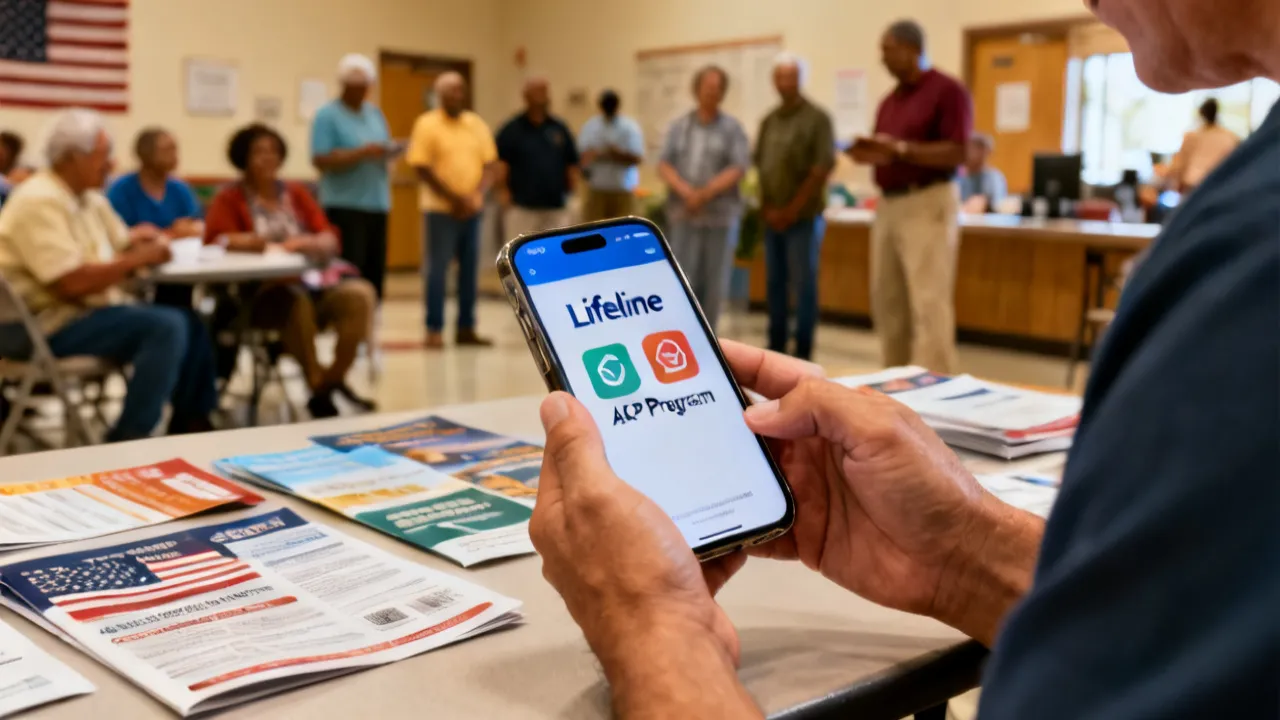
If you’re searching for Affordable Government Phone Nc options nearby, the key point is that many consumer “government phone” programs operate through the Lifeline program (and, in many areas, the Affordable Connectivity Program or ACP). These benefits are delivered by participating wireless carriers. In practical terms, eligible households may receive a low-cost or fully discounted phone service, sometimes bundled with a smartphone and monthly voice/text/data benefits. Provider offerings can vary by state and plan, so the safest approach is to confirm eligibility and plan details directly on official resources.
From an industry perspective, these programs share several operational themes that you can expect to see in most places. The core approach usually looks like this: (1) eligibility is verified using federal or state rules; (2) plans are offered through approved carriers; (3) there are guardrails to prevent duplicate benefits; and (4) applicants typically must submit documentation (or complete a verification flow) before service can begin. That structure is designed to balance consumer access with program integrity—meaning the benefit is meant for eligible households while reducing fraud and improper enrollment.
Because the phrase “Affordable Government Phone Nc” is broad, it’s also useful to know that people may mean different things by it. Sometimes they’re looking for a fully free phone. Other times they’re looking for a very low monthly bill for an always-available wireless number. And sometimes they’re trying to reduce both a phone cost and an internet cost by using multiple programs. In North Carolina, just like in other states, you’ll generally see a combination of: approved carriers, defined verification methods, and a limited set of plan structures available through the Lifeline ecosystem.
Another reason people search these terms is confusion about what counts as “government phone.” “Government phone” is commonly used as a catch-all phrase in everyday conversation, but technically the programs operate under specific rules. The benefit you qualify for may depend on which assistance program you receive (income-based vs. program-based eligibility) and which carrier participates in Lifeline offerings in your area. That is why you’ll often see slightly different options even when people are searching for the same “nearby” solution.
The following comparison summarizes the official plan pages for major providers mentioned in the program landscape. The table includes the services commonly associated with government-supported wireless offerings and any notes about potential additional costs for upgrades or expanded usage. Because offerings can change, treat this as a high-level starting point and confirm the latest terms on each provider’s official website.
| Provider (Official Plan Page) | Services Typically Included (Government-Supported Program) | Possible Additional Package Costs |
|---|---|---|
| SafeLink Wireless | Affordable smartphone or bring-your-own-device options; unlimited talk/text; data allowances that can vary by plan and state | Upgrades to premium devices or additional data may cost extra (varies) |
| Assurance Wireless | Affordable Android smartphone; unlimited talk/text; data allowances | Optional upgrades for additional high-speed data or international calling |
| StandUp Wireless | Affordable smartphone or BYOD options; unlimited talk/text; data plans | Premium phone upgrades or extra data for a fee |
| Access Wireless | Unlimited voice/text; limited high-speed data; often tied to Lifeline and ACP benefits | Data boosts and device upgrades for a fee |
| True Wireless | Government-supported phones; voice and data plans | Optional upgrades for better devices or additional data |
Source of information: the table content is based on the official provider plan pages listed immediately below.
source: https://www.safelinkwireless.com
source: https://www.assurancewireless.com
source: https://standupwireless.com/
source: https://www.accesswireless.com
source: https://www.gotruewireless.com/
When you use this table, it can help to think about the decision in two layers. The first layer is eligibility: whether you qualify for Lifeline and/or related connectivity assistance. The second layer is plan fit: whether the specific carrier’s data allowance and device options match how you actually use a phone. Some people only need reliable calls and texts, while others rely on data for rideshare apps, maps, job searches, school communication, or telehealth. Because the benefit plans can differ, you’ll want to match the plan structure to your real usage.
Another practical angle: if you already have a phone, you may prefer bring your own device (BYOD) to avoid shipping delays or device limitations. BYOD can reduce hassle, but you must confirm compatibility (network support, device unlock status, and activation requirements). If you prefer a new phone, you may be looking at carrier-available models and possibly supply timing.
When people search for Affordable Government Phone Nc, they’re usually trying to confirm whether they fit the kinds of eligibility that Lifeline-based wireless service uses. While final determinations come from the provider and their verification systems, the commonly applied criteria across Lifeline-associated carriers generally fall into two broad categories: income-based thresholds and participation in certain government programs. Some areas and program workflows also incorporate additional rules for tribal eligibility, but in North Carolina the biggest day-to-day focus tends to be income and mainstream assistance program participation.
Because households vary, it helps to understand what eligibility “paths” can look like in practice:
Expert note: In telecom industry operations, one of the most common failure points is not “ineligibility” in the strict sense, but documentation mismatch or verification timing. For example, if household information submitted does not align with records used for verification, the carrier may request additional proof. This is why careful data entry (name spelling, address consistency, and the right identifiers) matters. Even eligible people can experience delays if the information doesn’t match what the verification system expects.
It’s also useful to understand how “household” is interpreted. Typically, household means people who live together and share financial resources. Carriers may ask for details about household size because income and benefit thresholds can be tied to it. If you submit inconsistent household data, you may not only get delays—you can potentially trigger a denial if the verification result doesn’t confirm eligibility.
Another detail people overlook is recertification. Lifeline and related benefits often require periodic verification that the household is still eligible. That means you shouldn’t assume a one-time approval guarantees indefinite service. If your circumstances change, you may need to update information to remain enrolled.
Application processes differ slightly by provider, but the overall workflow is consistent. Below is a step-by-step guide you can use when pursuing government-supported wireless service associated with Affordable Government Phone Nc searches. The objective is to help you avoid common problems—like submitting incomplete documents or misunderstanding BYOD requirements.
To reduce friction, consider doing a quick “pre-flight checklist” before you start the application. For instance, gather your key documents ahead of time and make sure they’re legible. If you’re uploading documents, make sure you have good lighting and capture all corners of the document. If you are filling out an online form, double-check entries like apartment numbers and ZIP codes—small inconsistencies can create verification mismatches.
Also pay attention to email and phone number accuracy during the application. Many carriers send verification status updates or follow-up requests. If your contact information is incorrect, you may not receive messages in time to fix issues.
Another practical tip: if you plan to use the BYOD option, confirm whether your device must be unlocked. Some carriers only accept devices that are unlocked and compatible with their network technology. If the phone is locked to another carrier, you may need to unlock it or use the provider’s device instead. Doing this early can prevent delays after approval.
The following requirements commonly appear across Lifeline-adjacent government phone offerings. Providers may request different documents depending on your eligibility method and your state rules. While the exact list can vary, these are the categories you should expect to encounter.
Important practical detail: If you plan to use a BYOD option, verify that your device is compatible with the carrier’s network and meets activation requirements. Otherwise, you may face delays even if your eligibility is approved.
It can also help to prepare for “verification follow-ups.” Even when the application form is filled out correctly, the system may require additional evidence. For example, if the provider needs to confirm identity or address, they may ask for a second document. Having your documents ready—or knowing where to find them—can shorten delays.
Document clarity matters. If you upload something blurry or cut off at the edges, it can be rejected. Many verification systems use automated checks. If the document scanner can’t read critical numbers, you may have to resubmit. Taking clear photos and ensuring all text is readable can prevent this.
Even when programs share the same general purpose, providers may differentiate the experience in multiple ways. That’s why two people in different situations can both receive “government phone” benefits but still end up with different monthly data amounts, device models, or activation timing.
From a consumer-safety standpoint, this variability is why you should treat carrier terms as the authoritative source rather than assumptions based on word-of-mouth. A plan that sounded similar online months ago may have changed. You should always verify the current terms in the provider’s official documentation.
Another reason plans differ is because carriers compete on operational details. One carrier may emphasize device availability and fast shipping, while another may emphasize flexible BYOD compatibility. The “best” plan depends on your needs. If you need maximum reliability and don’t care about high-speed streaming, one plan might fit better. If you require better performance for specific apps, you may want to compare the data structure carefully.
Also, network coverage can differ by carrier in certain local areas. Lifeline carriers are not all the same from a coverage perspective. So even if the plan benefits look similar, your real-world call quality, text delivery speed, and data reliability can vary depending on where you live and how the carrier’s network performs in that neighborhood.
Government-supported phone offerings generally aim to cover daily connectivity needs such as calling, texting, and a measured amount of data. Many programs commonly include:
Expert note: The biggest misconception is that these programs guarantee unlimited high-speed data. In practice, data is typically capped or structured by plan design. For many households, a capped data allowance is enough for core use cases—maps, messaging, email checks, and basic browsing—while heavy streaming or very data-intensive activity may require careful management or paid upgrades.
To set expectations, it can help to consider typical daily usage patterns. For example:
When you compare carriers, look beyond the headline. Some plans may describe “unlimited data” but also describe how high-speed data is limited. Others may offer smaller high-speed windows but continue data at a slower rate after the cap. The practical difference matters if you regularly stream video or use large attachments.
Also consider whether international calling or roaming options are available. Many Lifeline-style plans focus on domestic voice and texting. If you need frequent international contact, you may need add-ons or a different plan structure.
If you’re comparing Affordable Government Phone Nc options nearby, you can use a quick checklist to decide without getting overwhelmed by plan marketing language.
This approach reduces delays because you’re aligning your expectations with the provider’s current terms. It also helps you decide faster and reduces the likelihood that you’ll apply for a plan that isn’t a fit for your usage needs.
If you want a more practical comparison method, you can also consider this two-question framework:
If your monthly phone usage is unknown, a temporary solution can be tracking usage on your current phone for a week or two. Many smartphones show data usage breakdowns by app. That can help you gauge whether you’re mostly using data for messaging apps, social media, or video streaming.
Comparing plans also includes thinking about customer support and activation experience. If you’re worried about troubleshooting—SIM issues, activation problems, or phone setup—then you should check whether the provider offers clear support channels on their website. While official plan pages may not show support quality directly, you can often find references to customer service options, FAQs, and device setup instructions.
It typically refers to Lifeline-related government-supported wireless service and, in many cases, benefits paired with ACP where eligible. Providers participate in these programs and offer discounted service and sometimes a device, depending on eligibility and plan availability.
In North Carolina, people sometimes use “Nc” in the search phrase because carriers operate and market their offerings by state. Even if the eligibility criteria come from federal guidelines, the carrier’s product availability can differ by geography. That’s one reason official provider pages are important.
No. While unlimited talk and text are commonly included, data allowances, device models, and upgrade policies can differ by provider and state. Device selection is often influenced by inventory and eligibility verification status at the time the order is placed.
So while the program name may be similar across providers, the consumer experience isn’t guaranteed to match exactly. Two people can both qualify, but one may receive a more capable smartphone model depending on what’s available when they enroll.
Very participating carriers allow online applications. Some may require additional document uploads after you submit the form, depending on how verification is handled. In many cases, carriers try to streamline verification, but the exact steps depend on your eligibility path and the results returned by their verification tools.
If you prefer an online flow, make sure your internet connection is stable and that you can upload documents if necessary. If your connection is unreliable, consider completing the application using a device with a strong connection to reduce interruptions and partial submissions.
Typically, you’ll need proof of eligibility through income documentation or proof of enrollment in qualifying assistance programs (for example, Medicaid, SNAP, or SSI). The exact document set depends on your situation and the provider’s verification requirements. Some providers may ask for identity and address information as well.
Because document requirements can vary, the best practice is to follow the “document checklist” in the provider’s application flow. That ensures you upload exactly what the system expects instead of guessing.
No. Many applicants qualify through participation in certain government assistance programs. Income thresholds can also qualify households, but program enrollment is often an alternative path. For some households, the program-based path is easier because you can provide proof of enrollment rather than calculating income.
If you’re unsure whether you qualify through program participation, gather your benefit letters or enrollment documents. Then compare what the application requires. If you’re eligible through either path, choose the path with the easiest documentation for your situation.
Approval depends on verified eligibility and whether you meet program requirements, including household benefit limits. If verification cannot confirm eligibility, the provider may request additional information. Approval is not always guaranteed immediately because verification is sometimes performed using external or automated records.
If you receive a request for additional documents, respond promptly. Delays can occur simply because follow-up steps weren’t completed quickly enough. Keeping track of any email confirmations and checking your messages can help avoid missed follow-ups.
Some providers offer BYOD options. However, you must confirm device compatibility and activation requirements before relying on the BYOD path. In some cases, your phone may need to be unlocked, or it may need to meet network technical requirements to work on the carrier’s system.
If you aren’t sure whether your phone is unlocked, check your current carrier’s policies or try inserting a different SIM (if appropriate and safe). Many phones show whether they’re locked at the setup stage. Since requirements vary by carrier, the safest approach is to check the provider’s BYOD eligibility instructions before submitting your application.
Plans are designed to be affordable under the program, but optional upgrades—such as premium device options or extra data—may require payment. Always review plan terms carefully and understand what’s included by default.
Also pay attention to whether the plan includes any charges related to device financing, taxes, or shipping. Some programs may cover the phone under the benefit, while others may have optional fees for specific device choices or accessory purchases.
Timelines vary by provider and by how quickly verification is completed. In general, delays happen when documentation is incomplete, when verification requires additional steps, or when shipping and activation processes are pending.
To reduce delays, ensure your documents are legible and that all form fields are accurate. If you’re requesting a device, shipping time can vary depending on demand and supply. If you need service quickly, consider asking about expected delivery windows in the provider’s FAQ or support documentation.
If you’re denied, review the reason given by the provider and correct any data or documentation issues. If you qualify through a different assistance program, you may be able to reapply with updated verification. Rejection doesn’t always mean you’re ineligible—it can sometimes indicate that the verification step didn’t confirm eligibility due to mismatched information.
In many cases, the most productive next step is to carefully compare the information you submitted to the records used by the verification system. If you can correct an address mismatch, update household information, or upload clearer documents, you may be able to resolve the problem.
Government-supported telecom initiatives exist to reduce barriers created by cost, digital access gaps, and limited affordability. The operational model—eligibility verification, carrier participation, and defined service benefits—aims to ensure that assistance reaches qualifying households while preventing duplicate enrollment.
In the U.S. telecommunications policy environment, Lifeline is a long-standing program designed to help eligible low-income consumers afford phone service. ACP was introduced to help eligible households with broadband and connectivity costs. Carriers participating in these programs can offer services and devices consistent with program rules and plan specifications.
These programs are built around verification because the benefit is subsidized. Without verification, it would be much easier for duplicate or ineligible enrollments to occur. That verification model is why many applicants experience a step that requires documentation even after they “feel eligible.”
Reliable information approach: When making decisions, rely on official provider pages and authoritative program resources rather than third-party claims. This helps avoid outdated offers or mismatched eligibility assumptions. Many scams or confusing advertisements online can lead people to believe they’re applying for a government phone program directly, when in reality they may be signing up for a product without the benefit.
To stay safe, you can look for the following signs of an official, legitimate process: applications hosted on the carrier’s official domain; clear documentation requirements; and transparent plan details (data, voice/text, and device policies). If a website asks for payment to “secure” a government phone benefit, that is a major red flag. Legitimate Lifeline-style programs typically don’t require you to pay to become eligible.
Another background concept is the idea of “program participation integration.” In some cases, enrollment in one benefit (like Medicaid or SNAP) can serve as a proxy for eligibility for Lifeline-related services. That’s why program enrollment documents often matter. Verification systems may check records directly, but carriers may still ask for proof depending on what the system can confirm automatically.
Lastly, it’s important to understand that programs evolve. Data allowances and plan structures can change, and carrier participation can shift over time. That is why a guide like this—while helpful for understanding the general workflow—can’t replace the need to verify details on official sources each time you apply.
For the very accurate and current plan details—especially around data allowances, device availability, and the exact application workflow—use the official provider websites referenced in this guide. These are the most reliable places to confirm eligibility documentation requirements and the exact benefits associated with each plan.
SafeLink Wireless
Assurance Wireless
StandUp Wireless
Access Wireless
True Wireless
If you’re actively preparing to apply, you can visit each provider link and note the following items before submitting: the application method (online vs. paper), the required documents listed, any phone compatibility guidance (for BYOD), and the exact plan description that includes data and any high-speed limits. Making those notes ahead of time can significantly reduce confusion during the application stage.
Also, if you’re choosing between carriers, you may want to check coverage indirectly. While Lifeline carriers can be limited by plan design, actual network performance depends on the carrier and location. Some providers describe network technology or coverage considerations. Even if not fully detailed, plan pages may contain hints about the network they use and what areas are supported.
1) The above information comes from online resources, and the data is as of October 2023.
2) This website cannot guarantee that applicants will definitely get a government affordable phone. For specific application requirements and how to obtain it, please refer to the official requirements of the provider. This website will not be updated in real time.
https://www.safelinkwireless.com
https://www.assurancewireless.com
https://standupwireless.com/
https://www.accesswireless.com
https://www.gotruewireless.com/
Striking the Perfect Balance: Navigating Premiums and Out-of-Pocket Expenses in Senior Insurance Plans

Explore the Tranquil Bliss of Idyllic Rural Retreats

How to Make Lasting Memories at Disneyland Attractions

Affordable Phones and Plans for Seniors

Affordable Full Mouth Dental Implants Near You

Unlock the Top Kept Secrets to Finding Your Ideal Dentist for Flawless Dental Implant Results!

Discovering Springdale Estates

The Guide to Car Trading

Affordable Cell Phones Without Plans
Affordable Phones and Plans for Seniors
Discover the top deals on new phones and plans tailored for seniors, including discounts on 5G technology and unsold models.
Affordable Cell Phones Without Plans
Discover affordable cell phones for sale without plans, exclusive discounts for seniors, and tailored mobile plan options in your area.
Unlocking the Top Cell Phone Deals
Discover unbeatable cell phone discounts, plans, and offers for seniors and iPhone enthusiasts without contracts.
Navigating Affordable Phone Offers
Discover the essential details about government-assisted phone programs aimed at providing budget-friendly devices to eligible individuals. These programs offer complementary mobile phones and services to qualified beneficiaries, ensuring connectivity at minimal expense. This guide breaks down how to access such benefits and what conditions apply.

How to Secure a Government-Sponsored Phone
This guide offers a detailed examination of how to apply for a government-assisted phone through various U.S. providers. Programs such as Lifeline and ACP provide eligible individuals with communication resources. This initiative aims to ensure that low-income households or those participating in government aid programs can access affordable wireless services and devices.

How to Apply for a Affordable Phone
This guide provides comprehensive insights into how to apply for a affordable phone through various government-supported programs. The concept of obtaining a mobile device without charge is becoming increasingly accessible to eligible individuals through collaborations between telecommunication companies and government programs. These initiatives aim to provide connectivity to low-income households, ensuring they remain engaged in an increasingly digital society.
