Tera 0km listings can simplify your path to a newer vehicle, but smart shopping still requires research. This guide explains what “0km” typically means in car commerce, how to evaluate dealer listings, and where official marketplaces—such as cars.com, Carmax, CaronSale, and Autotrader—help you compare options objectively. You’ll also find a practical checklist for spotting a cheap car without compromising essential safety and ownership costs.

If you’re searching for Tera 0km, it helps to treat the phrase as a buying cue—not as a guaranteed technical definition. In many automotive markets, “0km” (or “zero km”) is used to imply the vehicle is essentially new or has not meaningfully accumulated usage distance. Still, the exact meaning can vary by country, dealer policies, marketplace rules, and even by how a particular listing writer phrases the vehicle condition.
So your starting move should be to verify what “0km” means in that specific listing. Don’t assume it automatically means “never registered” or “factory-fresh.” Instead, use the listing details—build/registration date, mileage declaration, warranty coverage terms, and any return/inspection policy—to confirm the vehicle’s true status before comparing price with other “new-like” options.
From an expert perspective, the fastest way to locate a genuinely cheap car deal is to combine three actions:
When you run those steps in order, you stop “guess shopping” and start “evidence shopping.” That approach is especially important when a label like Tera 0km is involved, because it may be designed to attract attention more than to provide a precise legal or technical guarantee.
In many car marketplaces and dealer inventory pages, Tera 0km can signal one of the following scenarios. Keep in mind: the phrasing is often marketing-led, so you must confirm using the listing’s structured fields.
Here are common interpretations you’ll see:
Because wording can differ, you want an objective comparison. That means relying on verifiable listing fields rather than trusting the shorthand alone. Look for:
When those elements align, the “0km” style label becomes a supporting clue rather than a claim you must blindly accept.
People pursuing Tera 0km typically want two things at once: the experience of buying something close to new, and the financial discipline of not paying full new-car pricing. That combination naturally attracts shoppers who also search for a cheap car—not necessarily the absolute lowest number on the screen, but the best value relative to risk and total cost.
A “cheap car” is rarely only about the purchase price. Instead, it’s the top combination of:
When a listing uses a Tera 0km framing, buyers often interpret it as “near-new at a discount.” That interpretation can be correct—but only if the warranty start date, registration status, and actual wear items match the marketing message.
This is where reputable platforms help. If you shop through marketplaces that publish standardized fields (mileage, trim, option sets, sometimes warranty information), you can compare “like-for-like” listings faster and avoid comparing a “demo/transport” unit to a truly unused one. In short: using good platforms doesn’t guarantee the lowest price, but it improves the probability that the price you’re evaluating is meaningful.
For objective comparison, begin with official online car trading platforms that allow filtering, cross-checking, and structured listing comparisons. These sites are widely used for discovery and for checking inventory details across dealers. However, keep the important distinction in mind: this section is about where you can compare listings—not about any guarantee of condition or final price.
The table below is a comparison of platforms and what they typically help you do.
| Platform | What it’s useful for |
|---|---|
| cars.com | Broad browsing across dealers and standardized listing filters for quick comparison |
| Carmax | Shopping through a curated inventory approach that supports clearer selection workflows |
| caronsale | Exploring marketplace inventory and regional listings for newer vehicle searches |
| AutoTrader | Finding listings across participating sellers with flexible search and filter options |
Links (source of information):
source: www.cars.com ; source: www.carmax.com/cars ; source: www.caronsale.com/en ; source: www.autotrader.com
Source note: The platform descriptions above are based on the official websites listed.
To shop more efficiently, use each platform for a different role. For example, one site may be better for fast filtering by mileage and trim, while another may provide better clarity on dealership policies and buyer protections. Your goal is to triangulate the same “type” of vehicle (near-new inventory) with consistent details.
When you see Tera 0km in a listing workflow, your due diligence should be structured, not emotional. The temptation is to assume that “0km” automatically equals “perfect.” An expert buyer approach treats that label as a prompt to verify the details that matter in practice.
Even if the vehicle is “near-new,” it may have been stored poorly or used in ways that cause subtle wear. Photos can help, but only if you analyze them carefully and follow up.
When you contact the seller, ask direct questions that compel clear answers. For instance:
A car marketed as a cheap car can become expensive if fees are not included upfront. Before negotiations or sign-off, request a written breakdown that typically includes:
From an expert standpoint, always compare the “out-the-door” figure across at least three comparable cars, not just the listing price. That’s how you protect your budget and avoid being surprised after a discount looks attractive online.
Below is a step-by-step, conditions-driven approach that helps you find a cheap car or an on-sale option while keeping risk controlled. The core philosophy is straightforward: don’t guess—verify; don’t assume—confirm.
This workflow also works when you’re targeting Tera 0km inventory, because “near-new” purchases can carry hidden risk if the warranty start date or true usage isn’t aligned with marketing language.
| Step / Condition | Practical Action | Why it matters |
|---|---|---|
| Step 1: Define your “like-for-like” spec | Choose make/model, trim, drivetrain, and key options first (e.g., safety package, infotainment features). | Prevents misleading comparisons that look “cheap” only because features differ. |
| Step 2: Filter for “near-new” mileage status | Use mileage filters and search keywords that suggest 0km-style inventory. | Reduces the chance you’re comparing a used car to a new-style vehicle. |
| Step 3: Compare total cost, not just price | Request out-the-door numbers and itemized fee breakdowns before negotiations. | Protects your budget against hidden costs. |
| Step 4: Validate warranty and return terms | Confirm remaining factory warranty and whether any dealer warranty applies. | Shifts risk away from you—especially for cars labeled as “new-like.” |
| Step 5: Schedule an inspection (or equivalent verification) | Do a vehicle inspection and check key wear items (tires, brakes, paint condition). | Prevents paying “new” money for “near-new but not new” condition. |
| Step 6: Negotiate with evidence | Use comparable listings and documented issues to guide your offer. | Improves leverage and supports a rational discount. |
Conditions and requirements to keep in mind:
Shopping efficiently is the difference between finding value and wasting time. A practical workflow lets you move from discovery to decision without getting overwhelmed by dozens of similar-looking listings.
Begin on a reputable marketplace, then narrow using filters for:
As you narrow, also pay attention to listing completeness. A listing with clear mileage, VIN details, and warranty notes is usually safer than a listing that uses heavy marketing language with minimal documentation.
Instead of comparing dozens of results, maintain a shortlist. For each shortlisted car, record:
This recordkeeping step is underrated. It prevents you from mixing facts across vehicles and makes negotiation easier because you can refer to actual differences rather than vague impressions.
When you contact sellers, ask for:
If a dealer resists providing essential information, that is itself a signal. You don’t need to be confrontational. You simply need enough documentation to make a safe decision.
Also, when arranging a test drive or inspection, clarify whether you can do a pre-purchase inspection by a third party (if your region allows it) or whether the dealer has restrictions. Near-new cars should still undergo verification because storage, transport, and pre-sale handling can cause cosmetic or mechanical issues.
From an industry analyst viewpoint, pricing dynamics explain why some vehicles appear on sale while others do not. A “cheap” offer is rarely random; it’s often the result of inventory timing, incentives, and operational decisions.
Several common forces affect final offers:
This is precisely why you should prioritize verified details over marketing labels. If your goal is a cheap car in the Tera 0km category, you’re essentially trying to find value through better alignment of inventory and buyer needs—not through accepting a single phrase at face value.
Even strong buyers can make mistakes when a listing looks “too good to be true.” Here are common errors to avoid when shopping for a vehicle advertised as Tera 0km or similar “new-like” language.
Typically, Tera 0km is used to indicate a vehicle is essentially new or has very low usage. However, the exact definition can vary by marketplace or dealer. Always verify the explicit mileage number, and check warranty, registration/in-service details, and any return/inspection terms included in the listing.
Not necessarily. A car marked with 0km-style wording may be priced competitively due to inventory timing, trim availability, and incentive structures. The key to finding a truly cheap car is comparing out-the-door costs, warranty coverage, and dealer fee structures—not just the headline price.
Use reputable marketplaces, shortlist a few vehicles, and confirm “on sale” conditions in writing. Ask for itemized pricing and review the terms for financing/trade-in requirements. If the deal depends on financing you don’t want, request an alternative quote or adjust your expectations.
Yes, but negotiate based on evidence. Use comparable listings, verify condition findings, and document differences in warranty start date or remaining coverage. “On sale” usually changes the pricing baseline, but it doesn’t eliminate negotiation logic.
Request warranty terms (including start date if available), vehicle identification details (VIN-related documentation if provided), and listing-specific documentation such as build/option confirmation or any inspection notes. If the dealer claims a certification or inspection, ask for the report.
Listings are a starting point, not the final truth. For a high-confidence purchase, conduct structured verification—preferably via inspection or equivalent confirmation—especially when the listing language (like Tera 0km) suggests “new-like” status but lacks detailed proof.
In summary, the fastest path to a smart purchase in the Tera 0km space is to treat the label as an invitation to verify. Use reputable platforms (cars.com, Carmax, caronsale, and AutoTrader) to compare options, then move through a checklist that prioritizes mileage, warranty, registration/in-service timing, and out-the-door cost.
When you do that, you’re far more likely to secure a cheap car that truly matches your needs and expectations—without paying “new-like” money for uncertain value. The more you rely on documentation and structured verification, the less you rely on marketing language.
1) The above information comes from online resources, and the data is as of October 2023.
2) For more information, please refer to the official website of each platform or seller listed above.
https://www.cars.com/
https://www.carmax.com/cars
https://www.caronsale.com/en
https://www.autotrader.com/
Striking the Perfect Balance: Navigating Premiums and Out-of-Pocket Expenses in Senior Insurance Plans

Explore the Tranquil Bliss of Idyllic Rural Retreats

How to Make Lasting Memories at Disneyland Attractions

Affordable Phones and Plans for Seniors

Affordable Full Mouth Dental Implants Near You

Unlock the Top Kept Secrets to Finding Your Ideal Dentist for Flawless Dental Implant Results!

Discovering Springdale Estates

The Guide to Car Trading

Affordable Cell Phones Without Plans

The Guide to Car Trading
This comprehensive guide explores the dynamics of car trading through the lens of organizational culture theories by Cameron & Quinn. With a focus on how these theories influence business operations and consumer behavior in the car trading industry, this article also introduces platforms where vehicles are commonly traded. Considered resources like Autotrader and Carmax, ensuring access to up-to-date car listings and information.

Choosing the Perfect Economical SUV for the Elderly
Selecting an economical SUV for seniors involves considering affordability, comfort, and safety. This guide offers valuable tips to help older adults find their ideal vehicle.
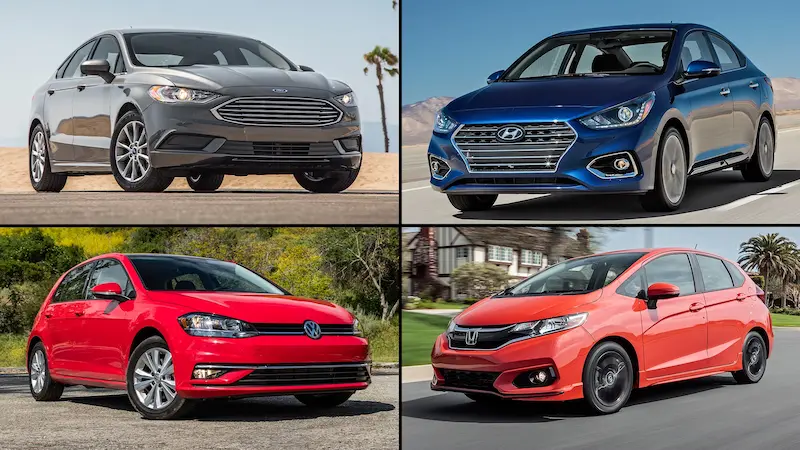
Smart Tips for Seniors to Find the Top Used Car Deals
As a senior looking to purchase a used car, you're in a unique position. With years of life experience under your belt, you have the wisdom to make informed decisions. However, the used car market can be complex and occasionally deceptive, and there are many factors to consider to ensure you get the best deal possible. This guide provides practical advice to help you navigate the used car market confidently and secure a reliable vehicle at a great price.
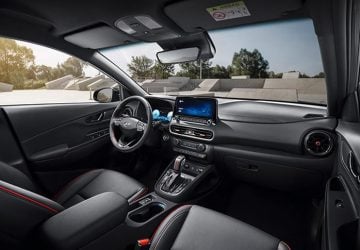
Ultimate Guide to Elevate Your Kona SUV's Comfort and Convenience for Endless Road Trip Enjoyment!
Setting Out on Extended Journeys with Your Kona SUV

Maximizing Your Purchase: Ram 1500 Deals and Towing Capacity
Purchasing a new vehicle can be daunting. Discover how to secure the top Ram 1500 deals while ensuring you have the towing capacity you need.

Top 10 Very Amazing Budget-Friendly Cars of 2018: Drive with Style Without Breaking the Bank!
For many individuals, acquiring a vehicle is a goal that represents stability and independence. However, the journey to car ownership is paved with considerable financial commitment and an obligation to thoroughly vet the options available. Astute purchasers weigh a myriad of elements prior to sealing the deal on a new ride. Among these elements, the cost is often the deciding factor in determining which automobile will ultimately occupy their garage.
