This guide explains Drf Crefito and its clinical context in regenerative orthopedics, focusing on how practitioners evaluate suitability and expected outcomes. Objectively, the topic relates to biologically active, tissue-supportive approaches and standardized protocols used in orthopedic settings. The discussion covers decision-making, safety considerations, and quality requirements, framed for patients and clinicians.
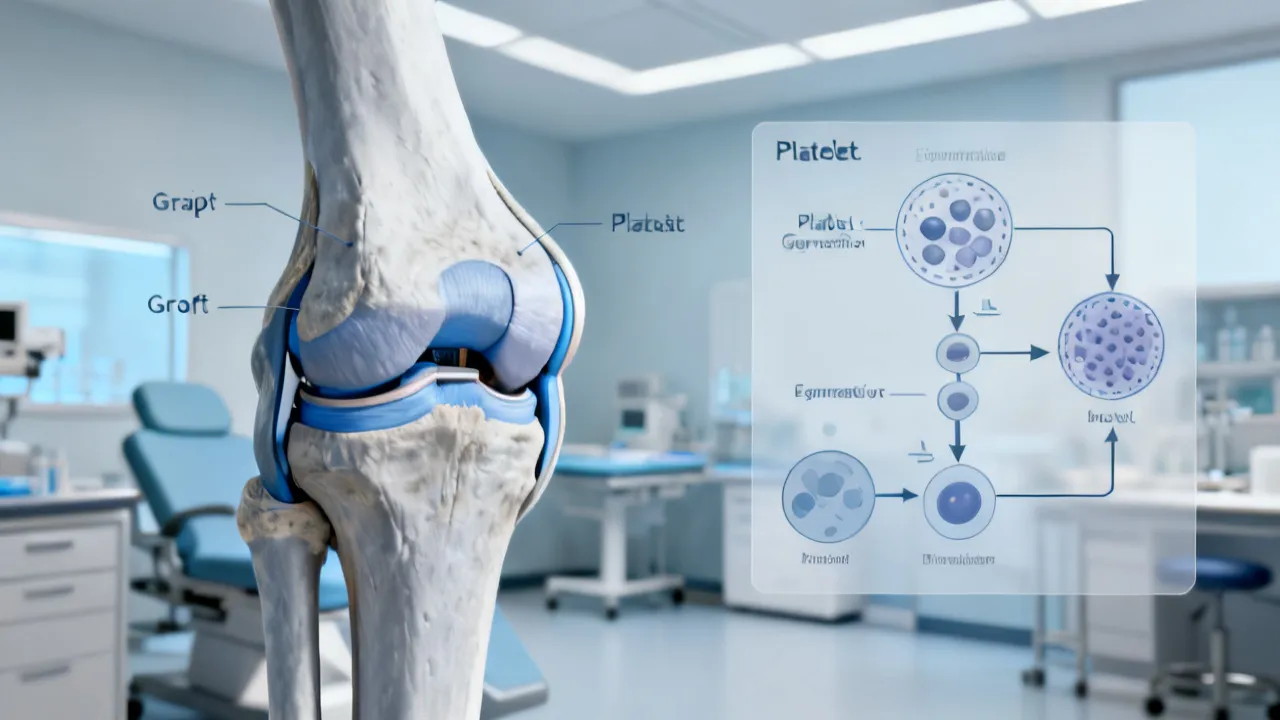
Drf Crefito is discussed in regenerative orthopedic conversations as a way to support tissue repair strategies through biologically informed workflows. In practice, clinicians do not treat “Drf Crefito” as a single universal product; rather, it is top understood as a label that may refer to a specific protocol, preparation workflow, or component set used within orthopedic biologics. Because the term can be used variably across providers, the safest approach is to evaluate the exact protocol being offered—what material is prepared, how it’s processed, how it’s validated for sterility and viability, and how outcomes are monitored.
When patients hear a distinctive name like Drf Crefito, the intuitive assumption is that it is a standardized “thing” similar to a named medication. In regenerative orthopedics, that assumption often breaks down. Many interventions are defined more by workflow than by a single manufactured product: the condition being treated, the biologic source (e.g., patient-derived or donor-derived), the processing parameters, the method of delivery, and the rehabilitation plan can vary substantially even when the marketing phrase sounds the same. As a result, the clinical question is not “Is Drf Crefito inherently beneficial?” but “Does this particular clinic’s Drf Crefito protocol meet quality and safety expectations, match my diagnosis, and offer a measurable and responsible pathway?”
From an immediate-care standpoint, clinicians typically want to reduce uncertainty quickly. That means clarifying the tissue target (cartilage, tendon, ligament, muscle, or synovial inflammation), confirming how Drf Crefito is intended to influence the biology, and verifying that the clinic can explain the entire chain of custody: collection → preparation → quality control → administration → post-procedure care → follow-up assessment. If any of those elements are vague, inconsistent, or missing, the probability increases that the patient is being offered a label rather than a protocol.
In other words, the “fit” of Drf Crefito within regenerative orthopedics is best understood as a potentially useful part of a broader strategy—one that should be evidence-informed, reproducible, and clinically monitored—rather than a standalone solution that bypasses diagnosis, risk assessment, and rehabilitation.
In orthopedic care, patients often encounter names that sound like medications or devices, but many regenerative options are actually combinations of processing steps and clinical handling. For that reason, the decision process should emphasize evidence-based screening, consistent preparation methods, and clear documentation. When discussing Drf Crefito, an industry expert typically looks for verifiable details rather than relying on branding-like terminology.
This distinction matters because the regenerative orthopedics field sits at the intersection of biology, engineering, and clinical workflow. Even when the theoretical mechanism is similar—supporting healing through biologic signaling, modulation of inflammation, or matrix support—the practical results can differ depending on how the biologic is prepared, the timing of administration, and the patient’s rehabilitation alignment. If Drf Crefito is merely a shorthand name without an attached protocol description, it becomes difficult to compare outcomes across clinics or evaluate safety rigor.
Another reason this topic matters is that patients may be emotionally influenced by names. A unique term can feel “special,” “advanced,” or “proprietary,” which can inadvertently lead to under-questioning. A responsible clinic should welcome the questions that reduce uncertainty. If a clinic cannot or will not provide answers about what is being prepared, how it is prepared, and how success is measured, that communication pattern is itself a clinical signal.
Ultimately, verifiable protocols protect patients. They also protect clinicians and practices by standardizing quality control, documentation, training, and follow-up pathways. In an area where outcomes are sensitive to technique and patient selection, the difference between a label and a protocol is not a semantic issue—it is a safety and effectiveness issue.
To ground this in day-to-day decision-making: a patient comparing two clinics should not have to choose based on a name. They should be able to compare the actual workflow and the expected course of recovery. That comparison includes the selection criteria, the risks disclosed, the measurable endpoints, and the plan if improvement is limited or absent.
Before any regenerative procedure is scheduled, orthopedic teams generally confirm several categories of information:
Expanding on these categories helps explain why Drf Crefito—if it is presented as a protocol—must be evaluated across the entire care process rather than viewed as a single moment of administration. In regenerative orthopedics, the pre-procedure phase determines the baseline (severity, stage, functional limitations), while the post-procedure phase determines whether the biologic “window” is supported by appropriate movement and loading.
Indication alignment often depends on tissue-specific pathology. For example, cartilage-related approaches may be conceptually different depending on whether the primary issue is focal chondral defects, diffuse osteoarthritis, or inflammatory synovitis. Soft tissue approaches differ again when tendon degeneration is chronic and when there is an acute tear with different mechanical considerations.
Patient selection also includes practical factors: ability to attend follow-up, capacity to follow restrictions, and the likelihood of engaging in physiotherapy. A protocol that ignores these determinants may increase risk or reduce effectiveness regardless of how well the biologic is processed.
Processing and handling includes details such as timing from collection to processing, the use of closed systems, and how the prepared material is protected from contamination. It also includes whether the clinic uses standard quality controls and whether these controls are documented and available for review.
Quality and safety safeguards should extend beyond sterility. Even if sterility is maintained, patients may experience adverse responses depending on injection technique, anatomy, and their baseline inflammatory state. A clinic should therefore describe how it screens for contraindications (infection, bleeding risk, immune compromise, anticoagulant use) and how it manages complications.
Outcome monitoring is sometimes neglected in “regenerative” marketing. Clinically, monitoring is essential: you need pre-procedure metrics to measure change. A reputable clinic should use a structured plan that could include validated pain scores, mobility assessments, function-based questionnaires, and imaging or ultrasound follow-up when appropriate. Without monitoring, the protocol becomes difficult to evaluate and the patient becomes a passive participant rather than an informed decision-maker.
Terms like “Drf” and “Crefito” can appear in patient-facing materials as shorthand, abbreviations, or provider-specific descriptors. Objectively, such naming commonly serves one or more purposes: (1) to identify a particular workflow within a practice, (2) to simplify communication about biologic preparation, or (3) to distinguish procedural variations between clinics. Because naming conventions are not always uniform across regions or organizations, readers should request the provider’s exact protocol description in plain language.
It is helpful to think of “Drf” or “Crefito” as a “container name.” The container name might refer to a practice’s internal pathway—collection methods, centrifugation or concentration steps, preparation timing, handling/storage rules, and injection/administration details. Sometimes clinics attach these names to differentiate a proprietary mix of steps. Other times they attach them for internal scheduling or documentation convenience. Either way, the external patient should ask: what is inside the container, and how do you verify its quality and safety?
From a clinician-communication perspective, abbreviations can compress complex workflows into a few characters. That can be convenient for staff but problematic for patient understanding. A patient does not need to know the abbreviations if they can be provided with a complete written and verbal description of what will happen. If the clinic cannot provide that description in a way that aligns with patient understanding, it suggests the abbreviation is doing more marketing than clinical communication.
Therefore, instead of asking “What is Drf Crefito?” in a general way, a patient should ask for “exactly what you will do to me,” “what product or biologic is being prepared,” “what quality checks are performed,” “how it is stored before use,” and “how the response is tracked.” That shift—from label comprehension to workflow verification—better reflects the realities of regenerative orthopedics.
An industry expert’s lens is straightforward: instead of asking “Is Drf Crefito good?” the right question is “Is the exact Drf Crefito protocol being used by this clinic reproducible, medically appropriate, and safely executed?” This means looking for:
Evaluating a regenerative orthopedics protocol through the lens of quality systems is useful because it shifts the conversation from subjective claims to measurable processes. For example, an expert would consider whether staff have training records, whether the clinic follows consistent sterile technique, and whether there is an adverse-event reporting plan.
SOPs are particularly important because many regenerative workflows can be sensitive to handling. A protocol might involve concentration, activation, or preparation steps that depend on time and technique. If the SOP is absent or not followed consistently, the protocol effectively becomes different at every session.
Traceability addresses a key patient-safety issue: can you identify what was made, from which donor or source, and under what handling conditions? Even if the intervention uses patient-derived material, traceability still matters because it ensures the correct material is administered and that quality checks are documented.
Clinical governance includes knowing who is responsible for each step and whether the clinician is qualified. It also includes whether there is a defined follow-up schedule and a pathway for managing complications or non-response.
Transparent expectations prevent misunderstanding. Some biologic strategies may require weeks or months to show changes, while others might have more immediate symptomatic effects. A credible clinic should explain what “success” looks like for your specific condition and why the timeline could vary.
Regenerative orthopedic approaches—especially those involving biologic components—are sensitive to timing, processing fidelity, and patient-specific factors. Although the exact conditions depend on the provider’s definition of Drf Crefito, common requirements in reputable clinical operations include:
To expand on how these requirements should appear in real practice:
Clinical suitability is also shaped by the disease stage. In regenerative approaches, the biological environment of advanced tissue degeneration may respond differently than early-stage inflammation or focal lesions. A high-quality clinic should evaluate tissue stage using available clinical assessment and imaging and then align the expectations accordingly.
Importantly, safety is not only about avoiding complications. Safety includes avoiding inappropriate treatment. If the condition is not likely to respond, a responsible clinic should say so or propose alternative options rather than continuing with a protocol by default.
The table below provides a supplement-style comparison framework. It is not a substitute for medical evaluation, but it can help readers compare what different clinics say they offer under “Drf Crefito.”
| Decision Area | What to Ask About | What Good Looks Like (Objective) | Red Flags to Clarify |
|---|---|---|---|
| Protocol Definition | What exactly does Drf Crefito include? | A clear, step-by-step description of the clinical workflow. | Vague explanations that rely only on branding-like names. |
| Processing Method | How is the biologic component prepared? | Documented preparation steps with sterile handling practices. | No details on processing, timing, or handling conditions. |
| Clinical Indication | Which diagnoses does it target? | Matching indication criteria tied to an orthopedic assessment. | “One protocol fits all” messaging. |
| Safety & Consent | What risks and alternatives are disclosed? | Standard informed consent with explicit limitations. | Downplaying risks or skipping alternative treatment discussion. |
| Outcome Monitoring | How will progress be measured? | Pre- and post-procedure functional and symptom evaluation plan. | No follow-up framework or no measurable outcomes. |
| Documentation | Will I receive treatment records? | Traceable, written clinical documentation. | Limited records or inability to explain what was administered. |
Below is a practical, step-by-step approach that aligns with safe clinical decision-making. It is written for readers who want an organized way to compare options.
To further strengthen this framework, consider adding a “documentation-first” routine. For each clinic, request a written protocol summary in advance of the visit when possible. That should include what material is used, how it is prepared, where it is documented, and how follow-up results will be reported. If the clinic cannot provide documentation, that may indicate they are not prepared to deliver consistent care.
Another practical step is to ask the clinic what information they need from you before recommending Drf Crefito. For example, they should ask for imaging reports, medication lists, allergy history, and relevant past surgeries. A clinic that improvises treatment without collecting baseline data may be operating more like a sales pathway than a clinical pathway.
Finally, ask about the “decision points.” A responsible plan usually includes predefined checkpoints: if symptoms improve by a certain amount, then continue the pathway; if not, reassess diagnosis, consider imaging, and adjust strategy. Without decision points, you might be left with uncertainty after the initial procedure.
Because “Drf Crefito” can be used to describe different workflows, contraindications may vary by clinic and by patient profile. Still, responsible practice typically includes screening for conditions such as:
Importantly, these are general clinical categories. Final suitability requires a clinician’s assessment.
Expanding the contraindication discussion helps patients understand why evaluation matters. “Active infection” is an obvious risk, but some patients may have subtle signs of infection. That is why clinics often check for systemic symptoms and may delay treatment if there are concerns. Similarly, bleeding risk can be influenced not only by diagnosed coagulation disorders but also by medication combinations, liver function, and uncontrolled hypertension in some cases.
Severe comorbidities are relevant because healing and response to biologic signals depend on overall physiology. Additionally, some comorbidities increase risk for procedural complications or make rehabilitation less safe. A responsible clinic should discuss these considerations rather than dismiss them.
Diagnosis mismatch is a frequent reason regenerative approaches underperform. If symptoms originate from a different source—such as referred pain, nerve entrapment, or mechanical instability—then a biologic strategy might not address the root cause. A high-quality clinic should test and evaluate these possibilities before offering Drf Crefito.
Finally, adequate follow-up feasibility matters because the care pathway is not a single appointment. If the patient cannot participate in reassessment, they may not receive adjustments to the rehab plan or complication detection. That increases risk and reduces the opportunity to measure and interpret outcomes.
Regenerative orthopedic approaches aim to influence the biological environment of injured or degenerating tissues. This may involve growth-factor–related concepts, supportive scaffolding, or biologic activity intended to improve symptom burden and functional recovery. However, results depend on factors such as disease stage, lesion size, biomechanics, and rehabilitation quality. For that reason, a credible Drf Crefito consultation should include a plan that integrates rehabilitation and activity modification alongside the biologic step.
To understand what “regenerative” can mean in practice, it helps to differentiate broad goals:
In credible regenerative orthopedics, the “regeneration” claim is linked to a plausible mechanism and to a care pathway that supports the mechanism. For example, if the goal is to improve tendon environment, then the rehab plan should likely include graded loading that encourages tendon adaptation. If the goal is to address cartilage-related symptoms, then rehab must address biomechanics, load distribution, and alignment or gait factors when relevant.
Therefore, a Drf Crefito consultation should not treat the biologic step as the only variable. It should specify how the biologic step interacts with rehab. If the clinic provides no rehab guidance or offers only generic “rest” instructions, that might undermine the intended regenerative pathway.
Additionally, “regenerative” should not be interpreted as “cure.” Orthopedic conditions often involve chronic mechanical and structural changes. A credible clinic should explain that outcomes may include symptom improvement and functional gains, with variable effects on structural progression depending on the diagnosis and stage.
In orthopedic outcomes, post-procedure rehabilitation can be as decisive as the procedure itself. Even when a biologic step is properly executed, inappropriate activity loading can limit benefits or delay progress. A robust clinic typically provides:
From an industry perspective, these elements form part of “value,” because they affect the real-world effectiveness of the overall pathway.
Rehabilitation is sometimes misunderstood by patients. Regenerative protocols can create optimism, leading some people to push activity too soon or ignore modifications. Yet the biological environment may be sensitive to mechanical loading. In many tissue recovery scenarios, there is an optimal progression: enough movement to promote beneficial adaptation and circulation, but not so much load that the target tissue is overwhelmed.
A well-integrated rehab plan often includes the following considerations:
Long-term management is also crucial because many orthopedic problems are influenced by lifestyle and biomechanics. For example, osteoarthritis symptoms can be affected by weight management, activity selection, and strengthening of supportive muscle groups. Tendon problems can be influenced by training load, repetitive motion, and ergonomics. A clinic that frames Drf Crefito as a one-time solution without a long-term plan may miss the chance to improve durability of results.
Additionally, long-term management should include a plan for reassessment. If symptoms improve, rehabilitation might progress. If symptoms do not improve, the clinic should revisit diagnosis, adjust rehab parameters, and possibly explore imaging or alternate conservative options such as structured physical therapy, bracing, or other evidence-informed interventions.
Drf Crefito is commonly used in patient communications to describe a regenerative orthopedic workflow. Because terminology can vary between clinics, you should ask the provider to define the exact protocol components and processing steps involved.
In practice, “Drf Crefito” may refer to a collection of steps: the sourcing of biologic material, any processing methods, the way it is prepared for injection or application, and the surrounding clinical workflow such as sterile handling, documentation, and rehabilitation integration. That means your best approach is to request the protocol description rather than relying on the name.
Often, it is not a single standardized medication. More frequently, it refers to a clinical workflow involving biologic preparation and administration. Confirm whether the clinic is using a biologic preparation step, device-assisted workflow, or other combined procedure.
Because many regenerative interventions are not “medications” in the classic sense, they may include variability in preparation. That is why you should ask: is this a manufactured standardized product, or is it prepared from patient material under a clinical protocol? The difference affects what documentation you should expect and how outcomes should be interpreted.
Eligibility is based on diagnosis, severity, patient medical history, contraindication screening, and the ability to follow post-procedure care and rehabilitation. A credible clinic should explain its selection criteria in advance.
Beyond simple contraindications, eligibility often includes questions about functional status, lesion type, biomechanics, and patient goals. For example, a patient’s activity demands and pain patterns can influence whether the intended intervention is likely to reduce symptoms and enable rehabilitation.
Outcomes vary by diagnosis and tissue condition stage. Instead of expecting uniform results, ask about the clinic’s approach to measuring improvement and how they handle limited response cases.
A good clinic often describes expected outcomes in ranges or categories (e.g., symptom improvement, function improvement, time to improvement) and explains the probability of different response categories based on their experience and the general evidence base. While no clinician can guarantee outcomes, they can provide a responsible framework.
Safety concerns can include infection risk, bleeding risk (especially with anticoagulant use), inflammatory reactions, and procedural risks related to injection or intervention technique. Ask about sterility controls, monitoring, and the adverse-event plan.
Additionally, safety includes the risk of failing to address the correct diagnosis. If the root cause is mechanical instability, nerve entrapment, or another condition, a regenerative protocol may delay appropriate care. A good clinician reduces this risk by performing comprehensive evaluation and by aligning the intervention with the identified pathology.
Very important. Rehabilitation helps translate biologic or tissue-supportive effects into functional improvements. A follow-up and physiotherapy-aligned plan is typically part of top practice.
Rehab is not simply “exercise.” It is targeted loading progression based on the tissue and diagnosis. The clinic should describe how the patient will return to sport, work, or daily activity safely, and how symptom fluctuations should be managed.
Compare the protocol definition, quality controls, documentation, clinical governance, and follow-up measurement approach. Avoid decisions based only on naming and promotional claims.
When comparing, it can help to use a checklist. If one clinic can’t answer questions about processing and sterility, or if they can’t provide a follow-up measurement plan, that clinic may be less suitable regardless of marketing.
Sometimes it may be considered, but suitability depends on evaluation by an orthopedic specialist and the tissue-specific pathology. For advanced degeneration, expectations must be aligned with what the biologic approach can realistically influence.
Advanced joint degeneration might involve structural changes where biologic modulation alone may not reverse mechanical factors. In such cases, a realistic pathway may still include symptom relief and function improvement, but the clinic should be transparent about limitations and should consider multi-modal conservative management or surgical consultation when appropriate.
Because terminology like Drf Crefito can vary, readers should anchor their decision to broader evidence about orthopedic biologic approaches and standardized regenerative principles. When a clinic cites outcomes, it should be able to explain how its protocol and patient selection relate to the evidence base.
Reliable source categories include:
Note: The exact wording “Drf Crefito” may not correspond one-to-one with a single universally defined intervention in the literature. Therefore, it’s more productive to ask the clinic to specify which biologic workflow they use and how it aligns with studied approaches.
To expand this section, consider how evidence should be interpreted. For many regenerative interventions, the evidence base is condition-specific: results for one tissue type or diagnosis may not translate directly to another. Also, study outcomes may depend on protocol details—dosage, preparation methods, and timing. That means when a clinic references evidence, you should ask whether their protocol is similar to the protocol studied.
For example, if a study examined a particular preparation workflow and a specific injection technique, a clinic offering “Drf Crefito” should clarify whether they follow comparable methods. If the clinic cannot map their protocol to the study conditions, the evidence reference may be too general to guide expectation.
Similarly, evidence may show average improvements but does not guarantee individual outcomes. A credible clinic should discuss where your case fits within the likely responder and non-responder categories and what supportive interventions are used to maximize the chance of meaningful functional gains.
Even when readers search locally, regenerative orthopedic decisions usually remain consistent worldwide: clear diagnosis, documented protocol, sterile handling, informed consent, and measurable follow-up. In many communities, patients often prefer direct explanations and family-involved decision-making—so a strong consultation should accommodate that communication style while staying clinically rigorous.
Localization can influence logistics more than medical principles. Insurance coverage, availability of physiotherapy, and travel distance can affect timing and rehab adherence. Because rehab is crucial, a clinic should consider the real-world feasibility of your follow-up schedule. When a clinic does not account for the patient’s ability to participate in rehab or return for reassessment, even an excellent protocol may fail due to practical barriers.
Family-involved decision-making also matters. Some patients may have medical anxiety or difficulty understanding complex biologic workflows. Clinics that provide a clear, plain-language protocol explanation and invite family questions can improve informed consent quality and adherence.
Ultimately, whether you are in one country or another, a high-quality regenerative orthopedic consultation should function similarly: it should clarify diagnosis, explain the procedure workflow, address risks and alternatives, document what is done, and define measurable follow-up.
Another misunderstanding is to treat regenerative orthopedics as a purely biologic “switch.” In reality, orthopedics is biomechanics plus biology. Mechanical factors can perpetuate stress in a damaged region, and biologic improvements may be insufficient if the mechanical cause persists. That is why rehab and activity modification must be integrated.
Patients may also misunderstand timelines. Some people expect immediate structural regeneration. Even if symptom relief is felt earlier, the underlying tissue changes (if any) might lag. Conversely, in some cases symptoms might flare briefly before improving. A well-designed protocol should explain what fluctuations to expect and when to call the clinic.
Finally, patients may misunderstand what documentation is needed. A patient should not just receive a “receipt.” They should receive a treatment record describing what was done and when, what was prepared, and what follow-up assessment was planned.
You did not provide specific price information, supplier names, or a location. Because regenerative orthopedic “protocol pricing” is highly dependent on clinical workflow complexity, staffing, processing requirements, and follow-up structure, any numeric price claim without verified inputs would risk misinformation. If you share your preferred market/region and the exact clinic offer details (what is included, how many sessions, and what follow-up is included), the comparison can be refined to reflect the total care pathway rather than a superficial procedure cost.
To make pricing comparisons more meaningful, patients often benefit from a “total pathway” perspective:
A cheaper “Drf Crefito” offer might be cheaper because it provides less follow-up, less documentation, or a less robust rehab integration. A more expensive offer might reflect a more comprehensive process. For patients, the key is not to chase the lowest price but to understand what you are buying: the protocol quality and care pathway, not just the administration moment.
Drf Crefito should be approached as a protocol label within regenerative orthopedics rather than a guaranteed, universal treatment. The very reliable way to evaluate it is to demand clarity on the exact workflow, confirm safety and quality controls, verify clinical suitability for your specific orthopedic condition, and ensure that the plan includes rehabilitation and measurable follow-up. When those elements are present, the decision becomes clinically grounded and easier to compare across providers.
From a clinician’s perspective, the best practice is not to “believe the name,” but to “verify the method.” That includes validating the protocol steps, the patient selection process, the consent process, and the monitoring plan. When these elements are strong, regenerative strategies can become part of a responsible, multi-disciplinary orthopedic approach. When they are weak or unclear, the patient risks receiving something that is more marketing-driven than science-driven.
For broader context on orthopedic regenerative and biologic approaches, readers are encouraged to consult:
If you want, provide the exact provider description you’ve seen for “Drf Crefito,” and I can help translate it into a protocol checklist (what it includes, what to verify, and what questions to ask) without relying on uncertain terminology.
When using sources, aim to match the protocol category to the evidence. For instance, evidence about one biologic preparation workflow should not be assumed to apply to a different workflow. That matching step is a core principle for evaluating regenerative orthopedics responsibly and helps patients and clinicians avoid overgeneralization.
Striking the Perfect Balance: Navigating Premiums and Out-of-Pocket Expenses in Senior Insurance Plans

Explore the Tranquil Bliss of Idyllic Rural Retreats

How to Make Lasting Memories at Disneyland Attractions

Affordable Phones and Plans for Seniors

Affordable Full Mouth Dental Implants Near You

Unlock the Top Kept Secrets to Finding Your Ideal Dentist for Flawless Dental Implant Results!

Discovering Springdale Estates

Unveiling RS Sul Telecom Services

The Guide to Car Trading

Striking the Perfect Balance: Navigating Premiums and Out-of-Pocket Expenses in Senior Insurance Plans
Finding an optimal mix of insurance premiums and direct medical costs is crucial for effective healthcare budgeting. This discussion will delve into tactics to achieve a balance that aligns with your finances.
Unlock the Top Kept Secrets to Finding Your Ideal Dentist for Flawless Dental Implant Results!
Selecting an adept dentist is critical for ensuring the efficacy and your satisfaction during a dental implant procedure. This in-depth guide is designed to assist you in finding a dental expert who meets your personal requirements, guaranteeing that your path to dental implant success is seamless and fruitful.

Protect Your Perfect Smile: Master the Art of Defending Your Teeth Against Acid Attacks
Though they may tantalize the palate and invigorate the senses, foods and drinks with high acid content are a double-edged sword with regard to oral wellness. Continual exposure to these substances progressively strips away the protective enamel from our teeth, which can lead to increased sensitivity, changes in coloration, and a variety of other dental complications. This composition offers insight into relishing these zesty favorites while safeguarding your teeth from damage.

Discovering Heartis Eagle Mountain
Heartis Eagle Mountain is a prominent senior living community that offers a range of services and amenities aimed at enhancing the quality of life for its residents. Situated in a peaceful setting, it combines exceptional care with engaging activities, providing a holistic environment that caters to seniors' physical, emotional, and social needs.

Unveiling the Top Dental Implant Options for Seniors: Transform Your Smile with the Ultimate Guide to Restored Radiance
The significance of oral health cannot be understated for the elderly population as they are commonly afflicted with tooth loss due to a multitude of factors, including decay and gum disease. Dental implants have risen to prominence as a prime method of teeth replacement, acclaimed for their long-lasting nature, functional prowess, and striking similarity to our own teeth. This discussion delves deeply into the realm of dental implants to demonstrate why they are considered the optimal choice for aged individuals aiming to enhance their smiles and overall life quality.

Boost Your Defenses: 20 Proven Strategies for a Stronger Immune System
Having a robust immune system is essential to protect our bodies from harmful microorganisms and preserve our general health. Although some elements that affect our immunity are out of our hands, many lifestyle decisions can help us enhance our immune defenses naturally. This piece delves into 20 practical methods to empower your immune system, increasing your capacity to ward off diseases and sicknesses.
