Binster Bt 185 is a practical industrial component that draws buyers for its role in stable system operation and integration planning. This guide offers objective background on the “Binster Bt 185” naming, typical selection factors, and how to verify supplier compatibility, technical documentation, and installation requirements before purchase.
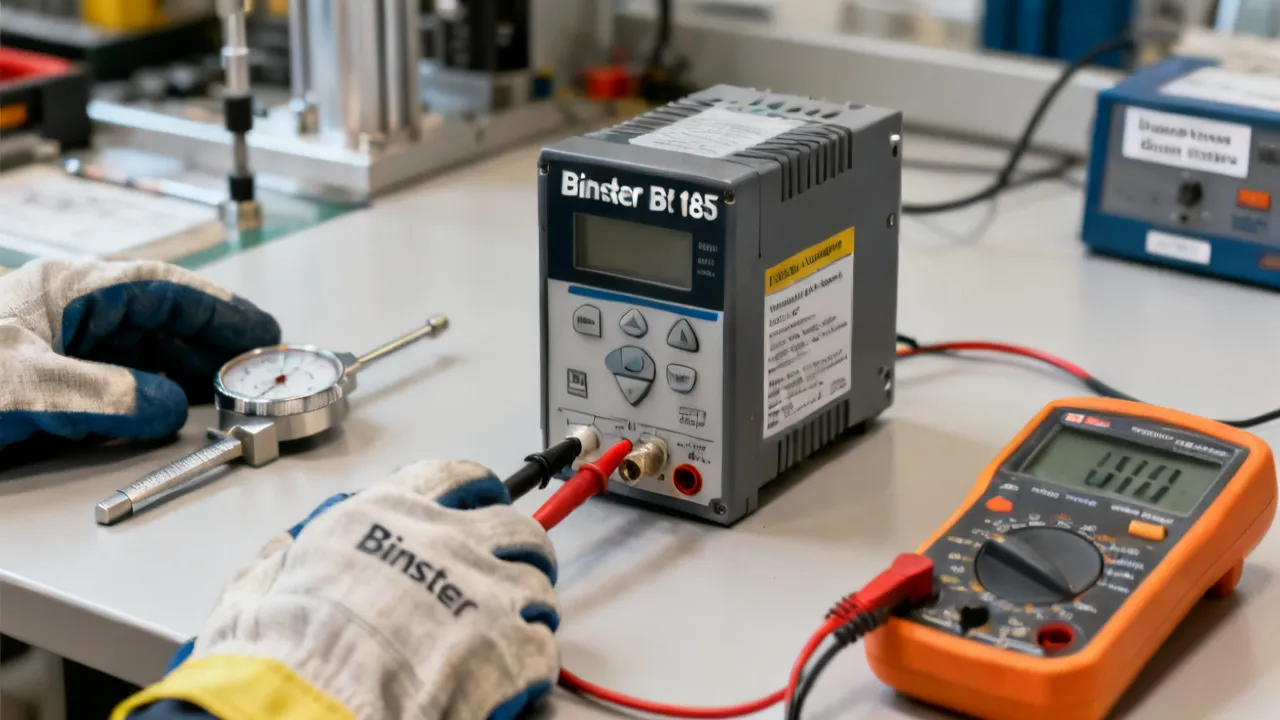
When considering Binster Bt 185, the very important step is not only price discovery, but confirming that the unit’s specifications, interfaces, and operating conditions align with your existing setup. In practical procurement work, reliability comes from documentation checks—such as electrical characteristics, mounting constraints, environmental ratings, and supported operating modes—rather than relying on marketing claims. This guide therefore focuses on selection logic, supplier due diligence, and installation readiness around Binster Bt 185.
In many industrial environments, “fit” is not a single yes/no question; it is a set of confirmations that must all be true at once. The same part designation can be offered with different revisions, firmware loads, option sets, or even packaging variants. If the final purchased unit is slightly different from what your engineers assumed, commissioning can expand from a predictable task into a troubleshooting exercise—costly in time, labor, and potential downtime. The goal of this article is to give you a verification-first procurement method so that when you evaluate Binster Bt 185, you do it in a way that is both technically robust and auditable.
Binster Bt 185 is commonly searched as a specific industrial part or device designation. In purchasing contexts, codes often indicate a model family tied to defined performance and compatibility boundaries. Because model codes can be interpreted differently across catalogs, the objective way to approach Binster Bt 185 is to treat it as a “technical identifier” that must be mapped to verified datasheets, compliance statements, and interface descriptions supplied by the manufacturer or an authorized distributor.
In practice, when teams request Binster Bt 185, they are usually trying to achieve one of three goals:
Each goal changes how strict your verification needs to be. Replacement tasks often require maximum equivalence to the exact original revision and wiring behavior. Upgrades require interface bridging strategies—ensuring that control logic, signal mapping, and safety functions still behave correctly. Expansion requires establishing consistent configuration so that the new unit performs identically to the established baseline.
In industrial supply chains, equipment failures and rework frequently trace back to one of three issues: (1) the wrong revision, (2) mismatched interfaces (electrical/mechanical), or (3) installation conditions that fall outside the device’s stated tolerances. For that reason, buyers evaluating Binster Bt 185 usually benefit from a structured verification workflow—requesting the correct documentation set and confirming that it matches both the intended duty cycle and the physical mounting constraints.
It is also worth noting that “model code clarity” is not only about preventing functional mismatch. It affects traceability, warranty claims, internal QA documentation, and compliance audits. Many organizations need to show what was installed, under which revision, and with which documentation package. When Binster Bt 185 is involved, the revision identifier and datasheet version become critical artifacts for future maintenance and incident investigations.
Another industry reality is the way parts get re-packaged over time. Suppliers may continue to sell a part designation even as the manufacturer updates internal components, firmware, or documentation. If you do not verify the revision, your procurement could accidentally pull a “similar” device that behaves differently under certain conditions—especially under transient events, fault conditions, or rarely used modes.
From an industry expert perspective, the very durable procurement approach is to rank requirements in this order:
Even when a buyer is primarily interested in Binster Bt 185 due to availability or a quoted price, the good cost often depends on installation effort and the risk of reconfiguration. That is why suppliers’ technical data—rather than only product descriptions—should drive the final selection. In many projects, the total cost of ownership includes:
Therefore, the selection drivers above are not merely “nice-to-haves.” They are the main variables that determine whether installation is smooth and whether future maintenance remains efficient.
When sourcing Binster Bt 185, the supplier’s role goes beyond shipping. A credible supplier should support traceability practices, including:
Supplier credibility is also about responsiveness and technical communication. For example, when you ask for revision-specific documentation, an unprepared supplier might provide generic files or outdated PDFs. That behavior can be a warning sign that your part verification will be difficult on the day of installation. A strong procurement approach includes asking structured questions and evaluating how precisely the supplier answers them.
In addition, consider the sourcing channel. If the supplier is not the manufacturer or an authorized distributor, you should ask about their provenance for Binster Bt 185, including whether units are new, refurbished, or reclaimed inventory. If refurbished, you may need additional information about testing, calibration, and warranty scope. Even if refurbished equipment meets functional checks, the documentation and traceability might not be equivalent to new units, which can matter for compliance and long-term maintenance.
You may encounter different quotes when searching for Binster Bt 185. For objective evaluation, treat any “price” as the visible part of a larger package: warranty coverage, documentation support, lead time, shipping conditions, and whether the seller provides revision-specific confirmation. Where price differences exist, they often come from inventory freshness, test/inspection practices, or documentation that can be matched to the serial/model revision.
If you are comparing offers for Binster Bt 185, ask for the following in writing:
To make quote evaluation auditable, many teams create an internal scorecard. For instance, a higher-priced unit can be “cheaper” when it includes:
Because the downstream cost of failed commissioning can dwarf the purchase price, the best financial decision is often not the lowest sticker price, but the offer with the highest certainty of correct fit for your system.
Before installation, it is standard practice to validate power inputs, signal compatibility, and physical mounting. For Binster Bt 185, the very conservative approach is to align the setup with the manufacturer’s installation instructions and any safety warnings. If your operation involves frequent start/stop cycles, harsh vibration, or power transients, the risk assessment should consider whether the part is rated for those conditions.
Installation readiness also includes logistics planning. Even if Binster Bt 185 is “available,” you must confirm that:
Where local regulations apply, ensure installation practices align with relevant electrical and safety codes. For example, in many regions, motor-control and industrial electrical work requires adherence to national or regional electrical standards. In practical terms, this means the installation should be performed or verified by qualified personnel.
Finally, check installation conditions from an operational standpoint. For example, if the environment includes frequent washdowns, oil mist exposure, or corrosive chemicals, “general industrial rating” might not be enough. If the installation is in a cabinet with inadequate airflow, even a unit with correct electrical ratings may fail prematurely due to heat stress. The best procurement method anticipates these issues before purchase by validating environmental tolerances and mounting/enclosure requirements in the official documentation set.
You can often find Binster Bt 185 sourcing options “nearby,” which may reduce shipping time and downtime. In local industrial procurement, buyers frequently prioritize delivery reliability—especially for maintenance windows—because even a slight delay can affect production schedules. While this guide does not assume a specific city, the same logic applies: treat local availability as a supply-chain advantage only if documentation and revision matching remain solid.
Local sourcing can reduce uncertainty in delivery timing, but it does not automatically reduce technical risk. A nearby supplier may still offer a mismatched revision, incomplete documentation, or refurbished units without full traceability. Therefore, do not let proximity override verification.
A practical approach is to ask the supplier for an estimated delivery date along with revision confirmation and documentation availability. Then align your installation window to when the correct documentation and unit arrive. If there is any mismatch, you can decide earlier whether you need an expedited return, replacement, or alternative selection. This reduces the probability of “install now, fix later” decisions that often lead to additional downtime.
Compatibility is where many integration projects either succeed smoothly or become costly. Use a checklist approach:
To make these checks more effective, you can structure them as “evidence-based confirmations.” That means you do not only note what the supplier claims; you also attach or reference the exact lines from the datasheet or installation manual that support the match.
Below are common compatibility sub-checks that teams often miss. Even though the specific interface details of Binster Bt 185 depend on what the device actually is in your context, these categories are broadly applicable to industrial parts:
These additional checks are especially relevant when replacing a unit that has been installed for years. Over time, wiring harnesses, control parameters, and cabinet conditions may drift. A revision mismatch can interact with these changes, creating behavior that seems “intermittent” but is actually deterministic under certain operating ranges.
Industrial parts are frequently described in ways that may not fully represent your specific use case. For Binster Bt 185, an objective evaluation should focus on:
If a seller claims “top-in-class” outcomes, treat those statements as marketing until supported by test conditions and measurable results that map to your environment. In procurement, you can evaluate claims by asking for the missing context. For example:
Another dimension is performance stability over time. Even if Binster Bt 185 meets functional thresholds initially, you want to know what happens after prolonged operation. Documentation often includes information about operating temperature derating, insulation considerations, expected life of components, or periodic maintenance requirements. If your process runs near upper limits, you may need to plan derating strategies or improved cabinet ventilation.
If your system includes safety-critical functions, performance evaluation must include response under fault conditions—not only normal operation. For example, you should confirm how the unit behaves during:
When those behaviors are clearly described in the installation manual and fault documentation, risk decreases and commissioning becomes more predictable.
When Binster Bt 185 is being used as a replacement or as part of an upgrade, downtime cost becomes a key driver. Risk management steps include:
To expand this in a way that supports real-world reliability, consider “pre-commissioning risk rehearsal.” That means you perform checks in sequence before connecting the unit to live production systems. Even for teams that have experience, this helps prevent avoidable mistakes such as reversed wiring, missing safety interlocks, or incorrect terminal assignments.
A typical risk-minimization workflow for a replacement or upgrade might include:
Spare planning is also more effective when it is engineered. Instead of purchasing spares blindly, align spare stock decisions with:
This approach reduces the likelihood that your organization spends time and money acquiring Binster Bt 185 units that do not match the exact expected revision or interface needs.
The table below summarizes typical conditions/requirements used in professional procurement and integration work around Binster Bt 185.
| Category | What to request/confirm | Why it matters |
|---|---|---|
| Part identity | Exact model code and revision; confirmation it matches “Binster Bt 185”. | A wrong revision can change interface behavior and compliance documentation. |
| Documentation | Official datasheet and installation instructions tied to the same revision. | Prevents mismatched wiring, connector assumptions, or operating mode errors. |
| Warranty terms | Warranty period, coverage scope, and RMA conditions. | Defines financial risk if integration fails during commissioning. |
| Quality evidence | Conformity or test documentation when applicable; serial traceability. | Supports traceability for audits and internal QA records. |
| Electrical and environmental fit | Operating ranges for voltage/current/temperature/humidity/vibration as specified. | Ensures the unit can survive real duty conditions. |
| Delivery and lead time | Clear timeline; in-stock vs. made-to-order status. | Helps plan maintenance windows and reduce line stoppage risk. |
| Support | Technical assistance for commissioning and troubleshooting basics. | Reduces time-to-restore when unexpected issues occur. |
To make the table more actionable, you can also add internal “acceptance criteria.” For instance, your team might decide that a quote is only acceptable if it includes revision-specific documentation and provides written confirmation of wiring/pinout compatibility. Acceptance criteria prevent ambiguity and reduce late-stage negotiation when installation is already scheduled.
Use this workflow to make your purchase decisions objective and auditable. It’s designed for maintenance teams, project engineers, and procurement staff evaluating Binster Bt 185 in real operations.
Write down your system’s requirements: rated inputs, operating modes, environmental exposure, and any constraints on enclosure, wiring routes, and mounting. If you are replacing an older component, document the current wiring/configuration to avoid guesswork.
To make this step more precise, include:
This documentation becomes the reference point that you use later to validate the Binster Bt 185 datasheet claims.
Ask the supplier for the datasheet and installation instructions that match the offered Binster Bt 185 revision. Do not assume that a generic listing applies; insist on revision-specific documentation where possible.
In addition to requesting PDFs, consider asking for a documentation index or a document revision sheet. If your company maintains document control, you may need the exact file name, revision level, publication date, and part number association. This is especially helpful when multiple versions exist across time.
Also ask whether the documentation set includes:
Compare your wiring plan and mechanical mounting requirements against the official specifications. If there are interface adapters or recommended protective components, confirm they are explicitly part of the required configuration.
This step benefits from a “model-to-plant mapping.” Create a table that maps each device interface to your system connection:
Where you find gaps (for example, your enclosure supports one mounting pattern but the device expects another), you can plan modifications before ordering or before installation. Planning earlier prevents the “machining at the last minute” scenario, which is a major risk driver in industrial maintenance projects.
Before ordering, verify how the supplier handles serial traceability, whether they can provide conformity statements where applicable, and what the warranty/RMA process looks like.
You should also clarify:
Traceability is not only external compliance. Internally, it helps you quickly determine which installed unit corresponds to which documentation and configuration during troubleshooting.
During commissioning, document measured voltages, wiring verification steps, and any protective checks. If you encounter fault codes or abnormal behavior, record them and correlate with the documentation.
To further improve reliability, commission using a structured checklist and include photo documentation where appropriate (for example, showing connector seating, terminal labeling, and cabinet conditions). For Binster Bt 185, you can log:
This creates a commissioning record that future maintenance teams can use without re-deriving the installation logic.
After installation, update internal procedures so that future replacement cycles are faster and less error-prone. This is especially valuable when Binster Bt 185 is integrated into a system with recurring maintenance schedules.
Maintenance documentation improvements can include:
This “closing the loop” step is one of the highest leverage actions in maintenance engineering because it reduces future time-to-repair for Binster Bt 185 related incidents.
Binster Bt 185 is typically used as a model/designation for an industrial component or device. Because model-code meaning can vary across catalogs, buyers should confirm the exact specification set using the datasheet and installation instructions corresponding to the offered revision.
In many real procurement situations, “Binster Bt 185” may appear in catalogs with multiple listings. Your best practice is to ensure that the listing you select includes a revision identifier and that the associated documentation exactly matches the unit you intend to install.
Ask for revision-specific documentation and compare your system’s electrical/mechanical requirements with the official stated interfaces and operating ranges. If possible, include a short compatibility checklist in your request to the supplier.
To strengthen your compatibility request, you can send the supplier a mini spec packet. For example, include your expected power input range, signal type, mounting constraints, and environmental conditions. Then ask them to confirm whether Binster Bt 185 supports those exact requirements and whether any accessory or recommended protective components are required.
Price differences can reflect warranty scope, documentation quality, revision matching, inspection practices, and lead time. A lower price may come with less support or less certainty about revision traceability, increasing integration risk.
Sometimes price differences also result from packaging and shipping handling. If an offer includes special handling to protect sensitive electronics, or it provides faster replacement shipping, that can materially reduce project risk—even if the base unit price is higher.
At minimum, request the official datasheet and installation instructions that match the part revision. Where applicable, ask for conformity statements and any quality/traceability evidence that your internal standards require.
If your facility requires controlled documents, you might also ask for document revision history and publication dates. That helps you store the correct version in your controlled library.
Installation requirements are defined by the manufacturer’s instructions and applicable local electrical and safety codes. In very industrial contexts, qualified personnel should perform or verify installation, especially when wiring or commissioning involves hazardous energy sources.
Beyond general safety, pay attention to details like cable routing, torque specifications on terminals, grounding/shielding methods, and separation distances between power and signal wiring. These details are often the difference between stable operation and recurring intermittent faults.
Only if the datasheet supports your environmental conditions—such as temperature extremes, humidity, dust exposure, and vibration. If your environment is near the upper limits, additional engineering review may be necessary.
Harsh-environment planning often includes cabinet design adjustments. For instance, if ambient temperature is high, you may need forced ventilation, heat sinks, or protective enclosures. If dust ingress is an issue, you may need specific sealing practices and cable glands rated for the appropriate ingress protection level.
Stop and perform a structured troubleshooting approach: verify wiring and connector seating, compare measured values to documented ratings, review fault/alarm descriptions, and confirm the revision matches the documentation. If needed, request technical support and keep commissioning records for traceability.
When troubleshooting, avoid “random changes.” Instead, use an engineering approach: isolate variables, verify one hypothesis at a time, and keep a log of changes and observations. This methodology improves the speed of finding the root cause—whether the issue is wiring, configuration mismatch, power quality, or an incorrect revision.
For objective verification of industrial equipment practices—especially around sourcing, documentation, and maintenance—teams often rely on guidance from recognized standards bodies and established research/industry publications. Examples include:
When you validate Binster Bt 185, prefer manufacturer datasheets and installation manuals for device-specific claims, and use standards references for general safety and quality workflows.
It can also be useful to align procurement and installation validation with internal QA frameworks. For example, many organizations implement supplier qualification procedures, inbound inspection steps, and documentation controls for critical components. If your organization has these processes, integrate Binster Bt 185 into the established workflow rather than inventing a one-off procedure for each purchase. That consistency reduces risk and improves repeatability.
In addition, if your environment includes regulated operations, ensure that compliance documentation is requested and retained. For some industries, missing compliance evidence can cause delays during audits. Even if the unit functions correctly, inability to produce documentation can lead to nonconformance in regulated contexts.
Binster Bt 185 can be a sensible selection when your organization treats procurement as verification: confirm revision identity, align electrical/mechanical interfaces, validate environmental ratings, and ensure the supplier provides a documentation and warranty structure that matches your commissioning needs. If you plan sourcing options “nearby,” use that advantage for faster lead time—but only after you confirm technical fit and traceability. That balanced approach tends to reduce integration time, lower rework risk, and improve good operational stability.
Ultimately, the strongest purchasing decisions around Binster Bt 185 are the ones that are evidence-driven. When compatibility checks are documented, supplier responsibilities are clear, and commissioning is recorded methodically, the organization gains more than a working unit—it gains confidence for the next maintenance cycle, and a clearer path for troubleshooting if anything unexpected occurs.
Striking the Perfect Balance: Navigating Premiums and Out-of-Pocket Expenses in Senior Insurance Plans

Explore the Tranquil Bliss of Idyllic Rural Retreats

How to Make Lasting Memories at Disneyland Attractions

Affordable Phones and Plans for Seniors

Affordable Full Mouth Dental Implants Near You

Unlock the Top Kept Secrets to Finding Your Ideal Dentist for Flawless Dental Implant Results!

Discovering Springdale Estates

Unveiling RS Sul Telecom Services

The Guide to Car Trading


Discovering Dunlop Brooklin Neighborhood
Dunlop Brooklin is an emerging residential area known for its blend of modern amenities and natural beauty. Situated in a strategic location, it offers residents a mix of comfort and convenience while maintaining a peaceful suburban atmosphere. This article delves into what makes Dunlop Brooklin a desirable place to live, its facilities, real estate market, and community lifestyle, offering insights into this unique neighborhood's charm.

Discovering Goodyear's Butanta Excellence
Delving into the world of Goodyear Butanta reveals a hub of automotive innovation and excellence. This article explores Goodyear's operations in Butanta, focusing on the company's influence in the tire industry. Learn about Goodyear Butanta's history, its role in the technological forefront, and how it contributes to the automotive landscape nearby and beyond.

Discovering Dunlop Brooklin's Tennis Scene
Explore the influence of Dunlop Brooklin in the world of tennis, focusing on the brand's significant role in equipment supply. The Dunlop brand is renowned for producing high-quality tennis gear that enhances player performance. Dive into the history, reach, and impact of Dunlop tennis products, with a special look at the tennis culture it fosters in the nearby areas.
Binster Bt 185: Selection, Compatibility, and Use Guide
Binster Bt 185 is a practical industrial component that draws buyers for its role in stable system operation and integration planning. This guide offers objective background on the “Binster Bt 185” naming, typical selection factors, and how to verify supplier compatibility, technical documentation, and installation requirements before purchase.
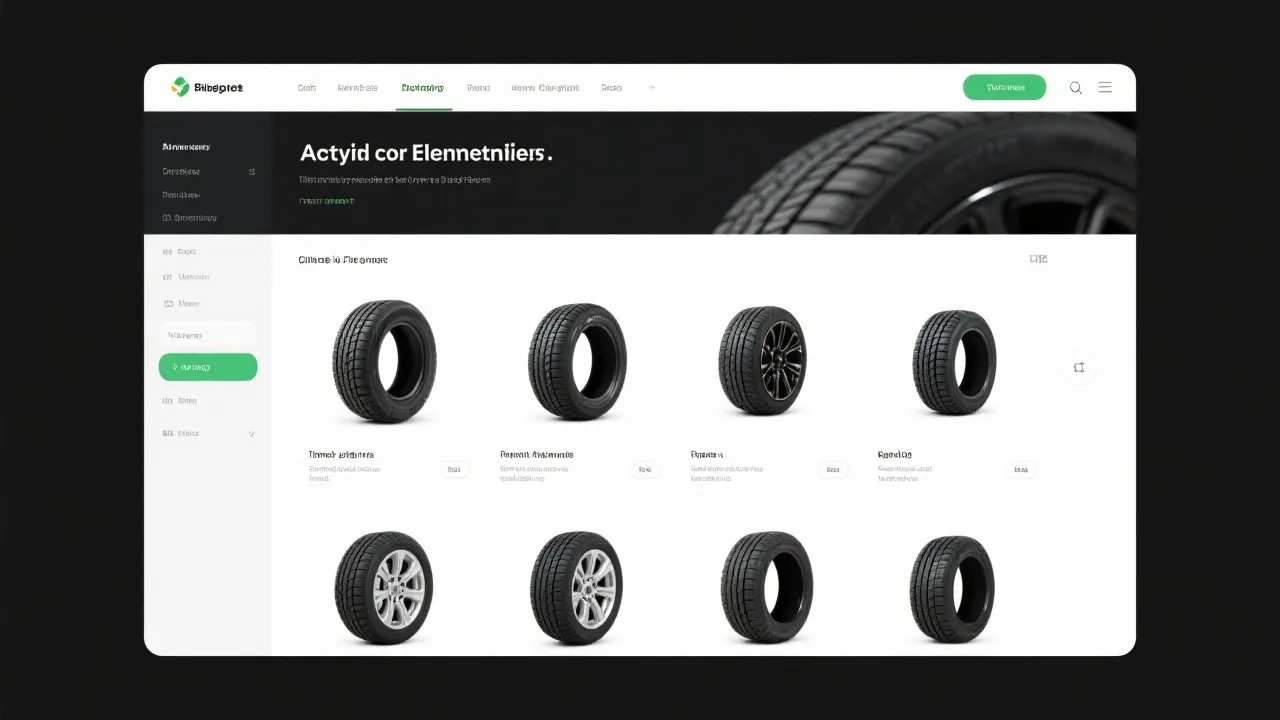
Comprehensive Guide to Pneu.com
Explore the world of Pneu.com, a pivotal online platform dedicated to tire sales and services. This article delves into the website's offerings, including a vast array of tire options for various vehicles, expert advice, and seamless online purchasing. As a significant player in the tire industry, Pneu.com is noteworthy for its reliability and vast selection catered to both personal and professional needs.
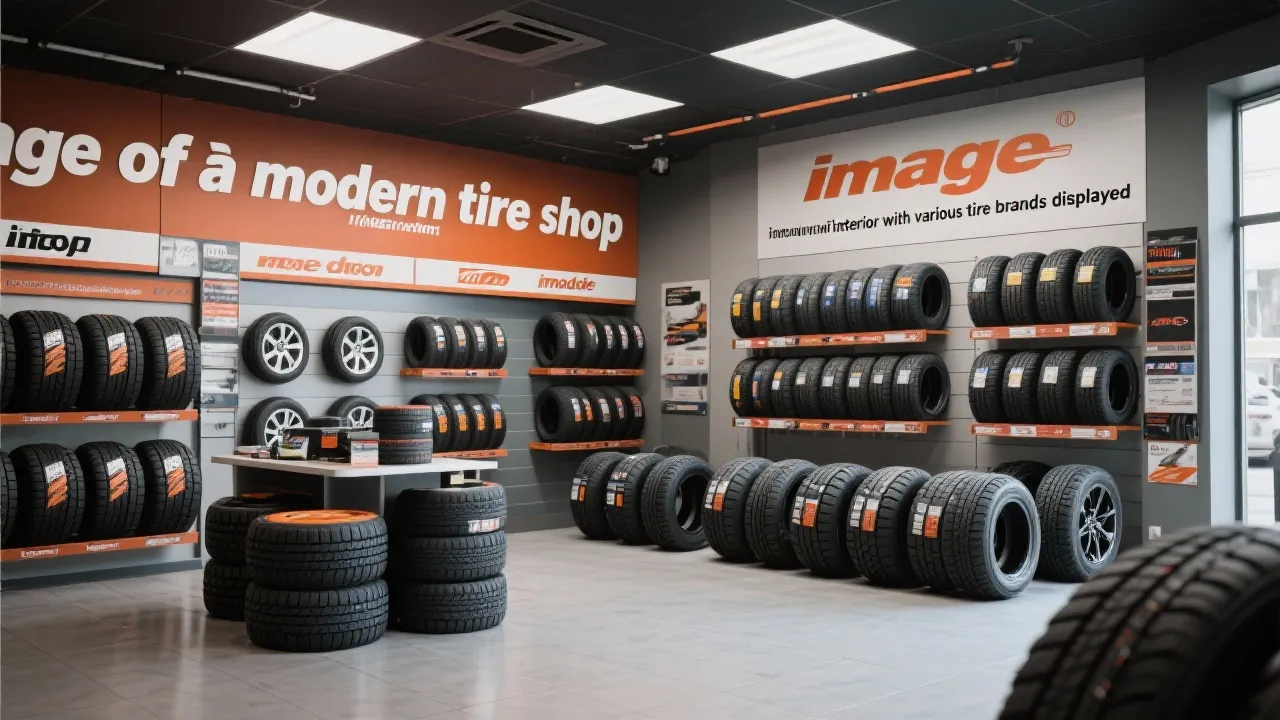
Navigating Tire Purchases with Pneu.com
Pneu.com is transforming the landscape of online tire retail by offering customers an extensive selection of tires tailored to varied needs. This platform stands out due to its user-friendly interface, robust customer service, and competitive pricing structure, providing consumers with a valuable resource for purchasing quality tires. This article explores the features, offerings, and purchasing tips related to Pneu.com.
